
For Property Owners
How to Price a Furnished Rental: An Owner’s Practical Worksheet
Set a furnished rental asking price with a practical owner worksheet that separates local market context, included costs, stay length and listing promises.
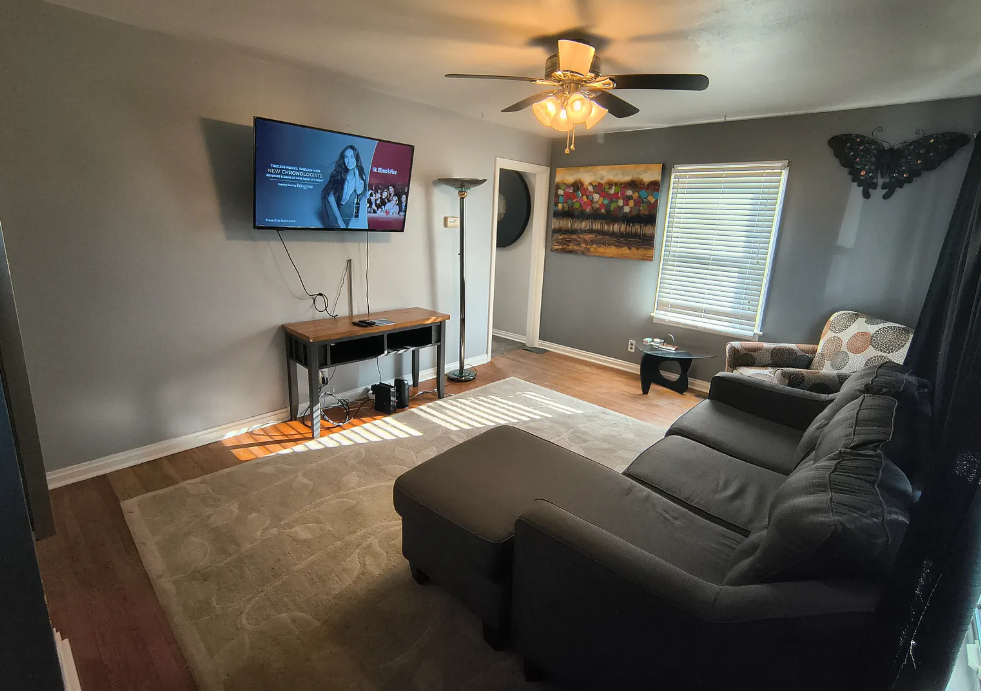
A furnished-rental asking price should explain the whole offer, not simply add a percentage to an unfurnished rent. Furniture, utilities and flexibility can create real value, but there is no single markup that fits every home, stay length or St. Louis neighborhood.
Use this worksheet to build a range you can support, then compare that range with similar available homes. It is a pricing process, not a promise of what a renter will pay and not legal, tax or investment advice.
Start with like-for-like local comparisons
Begin with homes that a renter would reasonably consider alongside yours. Compare the same part of the region and similar bedrooms, bathrooms, condition, parking, pet policy and access to the places your likely renter needs to reach.
- Quoted dates and minimum stay.
- Exact neighborhood or practical commute, not a citywide average.
- Bedroom, bathroom and occupancy setup.
- Furniture and household equipment actually provided.
- Utilities, internet, parking and services included.
- Deposit, cleaning and other required payments.
- Flexibility for arrival, departure or extension.
HUD publishes Fair Market Rents as gross-rent estimates used for housing programs. They include shelter rent and most tenant-paid utilities, but not internet, and they are not a furnished-property quote. Treat any public benchmark as context only; compare your actual home and inclusions separately.
Build the price from what you actually include
Write one line for every cost or service you are choosing to include. Use amounts you can document, and separate recurring costs from occasional turnover expenses.
- Base rent or carrying target for the home.
- Electricity, gas, water, trash and internet you will pay.
- Furniture, linens, kitchen equipment and a replacement reserve.
- Cleaning and turnover work between stays.
- Parking, lawn care, snow removal or other property services.
- Consumables you promise to provide or replenish.
- Platform, payment or management costs that truly apply.
Adding these lines produces a cost picture, not an automatic asking price. A renter compares value and alternatives, not your receipts. If your range is far above similar offers, recheck the inclusions, target renter and expected stay instead of hiding the difference in fees.
Account for stay length, dates and flexibility
A one-month stay and a six-month stay can create different turnover, vacancy and scheduling risks. Price the dates and commitment you are willing to offer. Do not convert a nightly rate into a monthly rate without checking whether the result still fits the local furnished market.
- Your preferred minimum stay and whether shorter periods are available.
- A standard range for your usual stay length.
- What changes, if anything, for longer confirmed stays.
- Any seasonal or date-specific change you can explain.
- The point at which a vacancy is better than accepting terms that do not work for you.
Make the listing earn the number
The Federal Trade Commission’s advertising guidance says claims must be truthful, non-deceptive and supported by evidence. For a rental listing, that means the price, photos and descriptions should match what the renter can actually expect.
- State which utilities and services are included, capped or billed separately.
- Show current photos of the actual home and furnishings.
- Describe beds, workspace, parking, laundry and internet without exaggeration.
- List required charges near the asking price instead of making renters discover them later.
- Explain date, occupancy, pet and payment assumptions behind the quote.
- Remove amenities that are unavailable and update worn or replaced items.
Check the renter’s total, not only your target
Run your offer through the same questions a renter will ask. What is the cost for the exact dates? What is due before arrival? Which amounts are refundable? What might vary? The published furnished rental cost comparison checklist shows that view.
Review the range after real inquiries
Keep a simple log of quoted dates, asking price, inclusions, questions, accepted terms and reasons a prospect did not proceed when they volunteer one. Review patterns only after enough comparable inquiries; one unusually fast yes or no is not a market study.
When your price, inclusions and listing claims agree, learn how to list your property on iStaySTL and review the owner information. Start with a clear, supportable offer and keep approval and publication decisions separate.