
Housing guides
Temporary Housing After a Fire or Storm: Questions to Ask First
Questions to ask your insurer and housing provider after a fire or storm, including coverage, household needs, rental terms and extensions.
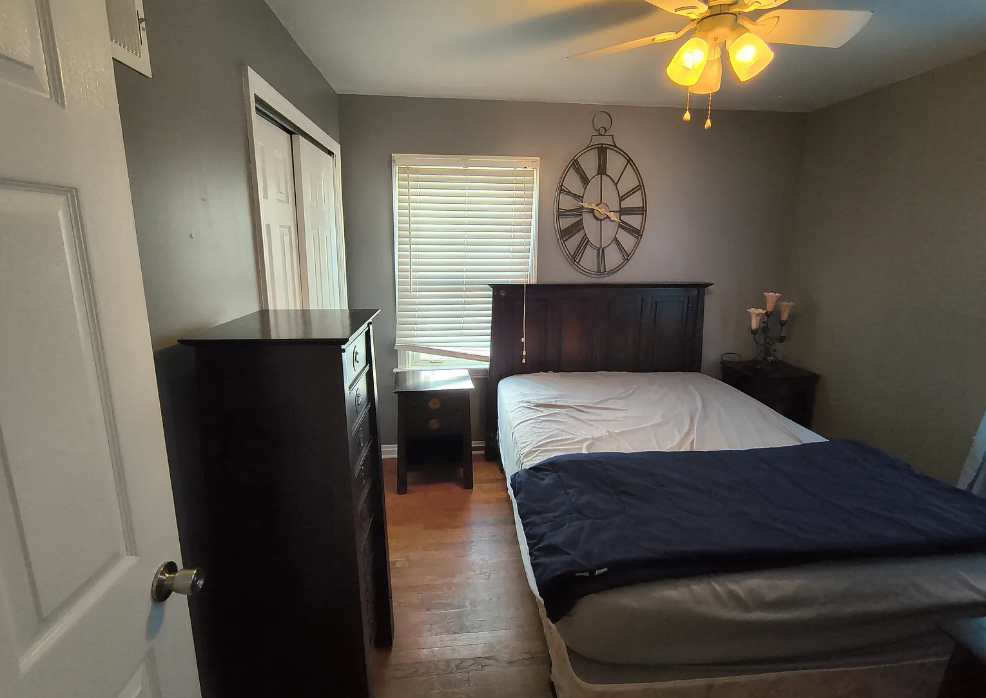
When damage forces you out of your home, finding somewhere to sleep is only the first decision. You also need a place that works for your household and a clear understanding of who will pay. Begin with safety instructions from emergency responders, then organize the housing questions separately from the repair questions.
Ask your insurer what applies to your claim
Many homeowners policies provide additional living expense coverage after a covered loss makes a home unlivable. This can help with increased living costs, subject to the policy and claim circumstances. It does not mean every expense is reimbursable. You may still owe the mortgage on your damaged home while temporary housing is needed. Ask the adjuster how they will calculate your covered additional expenses rather than subtracting your mortgage from a rental quote yourself.
Write down the answers to these questions:
• Is temporary housing coverage available for this loss?
• What dollar and time limits apply?
• Which charges need approval before I commit?
• What documents are needed for payment, and when can I expect a decision?
• Who should I contact if the repair schedule changes?
Keep receipts and written claim correspondence. The NAIC recommends retaining receipts for additional costs and checking policy limits with your insurer or adjuster.
Source: https://content.naic.org/article/what-are-additional-living-expenses-and-how-can-insurance-help
Build a household checklist before comparing addresses
Start with the people who will use the space. List sleeping arrangements, accessibility needs, pets, parking and the places you need to reach regularly. Add the routines that are difficult to improvise: preparing meals, doing laundry, studying and working from home.
For each candidate, make a simple table with three columns: needed, confirmed in writing, and still unanswered. A photograph of a desk does not establish internet performance; a kitchen photograph does not tell you which equipment is supplied. Ask specific questions instead of assuming that furnished means the same thing everywhere.
Compare a hotel, extended-stay room and furnished home against that same checklist. A short initial stay might solve an immediate need while repair timing becomes clearer. A longer booking deserves a closer look at the total commitment and the arrangements for changing dates. Choose based on your circumstances and confirmed terms, rather than a blanket promise that one format costs less.
Keep the housing agreement and insurance decision aligned
Before signing, ask the provider for the proposed dates, total charges, payment schedule and rules for extensions or early departure. Separately ask your adjuster which proposed costs the insurer has authorized. A provider's willingness to rent to you is not an insurance coverage decision.
Make sure you know who is responsible for each payment and whether you must pay first and seek reimbursement. Do not assume direct billing is available. If repairs run longer, revisit both the housing availability and insurance authorization before relying on an extension. See the existing stay-extension guide for the booking discussion; your insurer must separately confirm coverage.
Your next step
Prepare your dates and household checklist, then ask iStaySTL about suitable options and current availability. Confirm the details of the particular property and agreement before booking.
This is general planning information. Your policy and insurer determine coverage for your claim.