
St. Louis Guides
Planning a Temporary Work Stay in St. Louis: Choose Around Your Actual Commute
Planning a temporary work stay in St. Louis? Compare exact work locations, shift times, parking and transit before choosing where to look for housing.
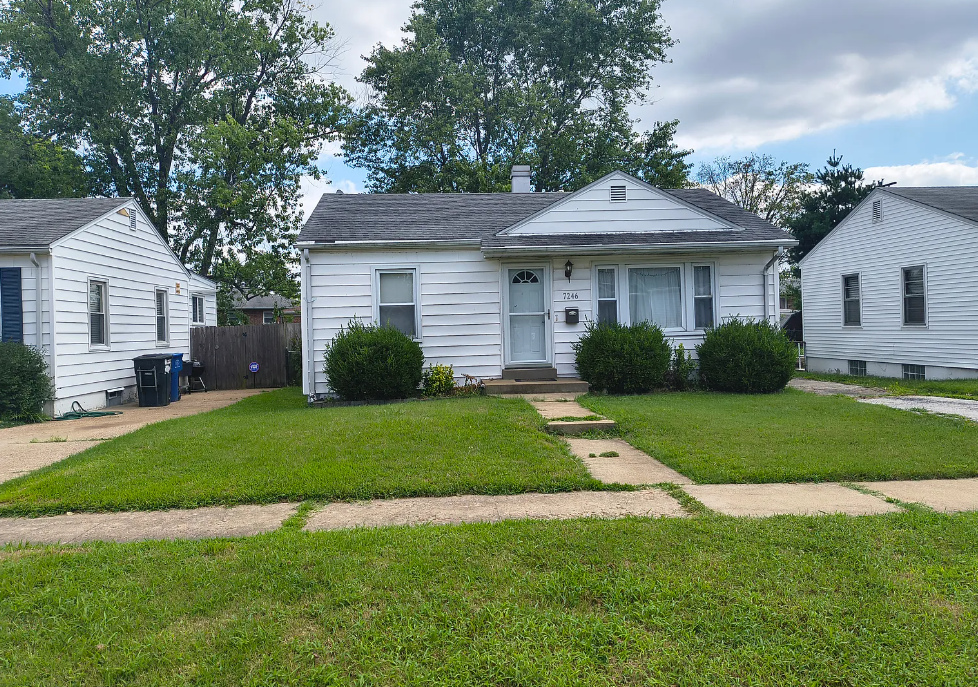
“I’ll be working in St. Louis” is enough to start a housing search. It isn’t enough to choose where to stay.
A useful shortlist begins with the place you need to reach, the time you need to arrive and how you’ll get there. A home can look close on a map while leaving you with an awkward walk, transfer or parking arrangement at the end of every shift.
Before choosing an area, spend a little time mapping your actual routine. That can help you rule out an inconvenient option before you commit to several weeks there.
Get the work location right
Ask your employer or assignment coordinator for the address where you’ll report. If the organization has several locations, confirm which one applies to you. Ask whether training, orientation and regular shifts take place at the same site.
For a large campus, find out which entrance or employee parking area you’ll use. Navigating to the organization’s main address may not tell you how long it takes to reach your actual workstation.
If you’ll rotate between locations, list all of them and how often you expect to visit. Choosing solely around the first day’s address may make the rest of the assignment less convenient.
Compare the journey at your working hours
Check routes using your expected arrival and departure times, including weekends if you’ll work them. Treat map estimates as planning aids, not promises.
For driving, account for the final steps: finding parking, walking to the entrance and getting through any check-in process. Ask your employer about parking access, permits and charges instead of assuming visitor parking arrangements apply to you.
If you can, try the route before the first shift. If you can’t, leave yourself time to learn it and ask the coordinator about anything newcomers commonly miss.
Use St. Louis transit tools for the whole trip
MetroLink serves stations in Missouri and Illinois. Metro’s station list includes Central West End, Cortex and Clayton, among others. Those names can help you orient your search, but proximity to a station alone doesn’t establish a workable commute.
Use the official Metro site’s trip planner, schedules and rider alerts to check your specific journey. Include the walk to the stop, any transfer and the last part of the trip to your work entrance. Check the return journey too, particularly when your shift ends at a different time from a conventional workday.
For example, a listing described as convenient to Central West End should still be evaluated against your actual destination and shift. The station name is a starting point, not a guarantee that the home or workplace is a short walk away.
Recheck transit information shortly before arrival. This guide deliberately avoids fixed service times, fares and route promises because those can change.
Check station parking and roadwork before choosing a route
If driving to a station is part of your plan, check the specific facility rather than assuming all station parking works the same way. Metro’s Park-Ride page lists parking locations and identifies Clayton Transit Center as charging for parking. Confirm the arrangement for the station you would actually use and include that cost in your comparison.
For the Missouri portion of a driving commute, use MoDOT’s Traveler Information Map to check roadwork and conditions. Look at your planned route before arrival and again before your first shift. A construction detour is a practical reason to keep a backup route in mind; it is not a reason to rule out an entire area.
Compare homes using one short worksheet
For each home, record:
- The work address and entrance used for the comparison.
- Your expected shift or reporting times.
- Travel method and a realistic door-to-door estimate.
- Parking, transfers and walking involved.
- A backup plan if your usual travel arrangement fails.
- Access to groceries, laundry and other regular errands.
You may decide a slightly different location makes everyday life easier. Make that decision using your own routine rather than a general claim that one area is “best.”
Check the home for life between shifts
Commute planning is only half the decision. Ask about internet if you’ll work from home, laundry if you’ll be there for several weeks and parking if you’re bringing a vehicle.
If you sleep during the day, ask about bedroom window coverings and known sources of daytime noise. If you’re arriving late, confirm access arrangements. Describe any essential physical features, such as an entrance without steps, and ask for specifics rather than relying on a broad label.
These questions help the owner tell you whether the home fits. They also give you a better basis for comparing two otherwise appealing listings.
Turn your commute plan into a housing brief
Write a few lines covering your dates, household size, budget, travel method and work area. You don’t need to put your detailed work schedule in a public message; share only what is necessary through the appropriate contact process.
Use that brief when you browse iStaySTL rentals or request housing. Confirm the home’s location, availability and terms directly before committing. The aim is a place that supports the way you’ll actually live and work during the assignment.