
For Property Owners
Furnishing a Rental for Everyday Living: A Room-by-Room Checklist
Prepare a furnished rental for everyday living with a room-by-room checklist covering sleep, cooking, work, storage, laundry and practical household needs.
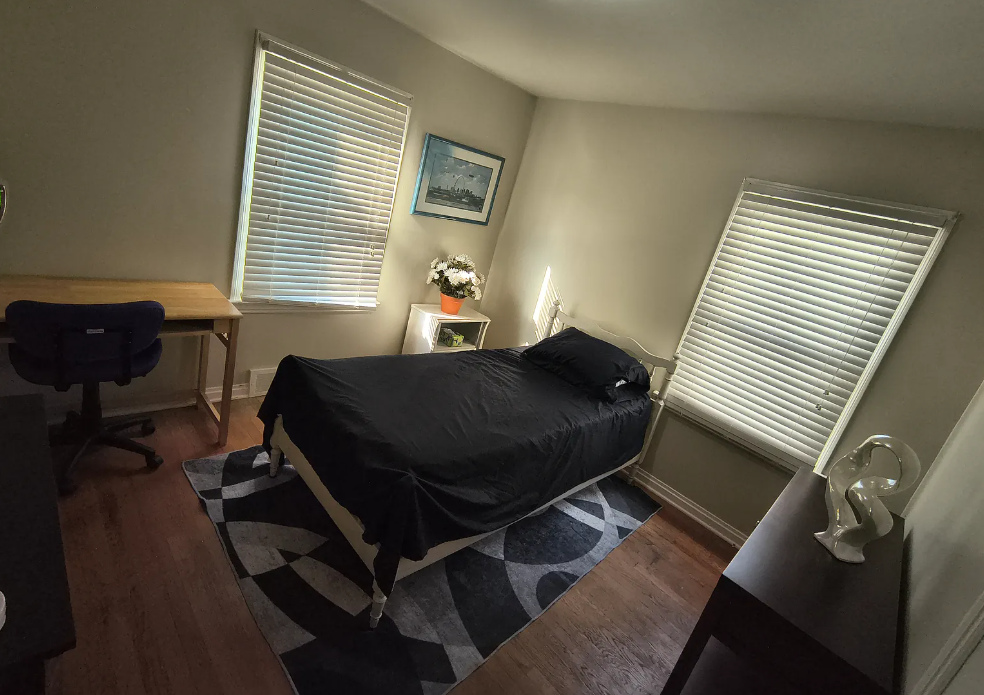
A furnished home should do more than photograph well. Someone needs to wake up there, make breakfast, get dressed, work, wash clothes and find somewhere to put a suitcase.
Before buying another decorative piece, walk through the property as if you were arriving for a month with your own bags. What could you do comfortably? What would you immediately need to buy, move or ask about?
Use this checklist as a practical starting point. Adapt it to the home, the number of occupants you advertise and the arrangements you actually offer. It is not a promise that every furnished rental includes the same things.
Bedrooms: make sleep and storage easy
Start with a sound bed frame, a comfortable mattress in good condition and bedding that fits properly. Check each sleeping space from the renter’s point of view: can they reach a light, charge a phone and set down a glass of water?
- Provide usable clothing storage and hangers.
- Make room for luggage without blocking walkways.
- Check privacy coverings and how much light enters the room.
- Keep bedding clean, complete and straightforward to replace.
- Describe actual beds and sleeping arrangements accurately.
If you hope to serve people working night shifts, consider whether the room can be darkened during the day. Explain the setup honestly rather than promising uninterrupted sleep.
Kitchen: test a real meal
Try preparing a simple dinner with what you provide. Having six mugs doesn’t help if there’s no can opener, cutting board or pan that fits the stove.
- Plates, bowls, glasses and flatware for the intended household.
- Suitable pots, pans, cooking utensils and a cutting board.
- A usable knife, can opener and food-storage options.
- Clear counter space and accessible cupboard storage.
- Trash containers and an explanation of where waste goes.
- Instructions for appliances that are not obvious to operate.
Decide which consumables are starter supplies and which, if any, you replenish. Tell renters before arrival. Don’t leave them guessing whether an empty dish-soap bottle means they should contact you or buy their own.
Bathrooms: think about the morning routine
Check towel storage, hooks, lighting and somewhere to place toiletries. If towels are included, provide the quantity and replacement arrangements you intend to maintain.
A renter should also know who to contact about a leak or blocked drain. Keep maintenance instructions brief and easy to find. Avoid asking guests to attempt repairs that should be handled by your maintenance contact.
Living and working: provide usable space
Make sure the seating and dining arrangement suit the household you advertise. Check whether doors, drawers and walkways remain usable once every chair is occupied.
If you describe a workspace, sit there with a laptop. Look at the chair, surface, nearby outlets and lighting. A decorative desk in a photograph may not be comfortable for a workday.
Test the internet connection in the places people are likely to use it. Describe the service and setup accurately; don’t promise a particular performance without checking what you can support.
Laundry and cleaning: explain the arrangement
Whether laundry is inside the home, shared or off-site, say so clearly. Explain access, hours or charges where applicable.
Keep a reasonable set of cleaning tools available and store cleaning products appropriately. Make appliance instructions easy to locate. Tell renters what routine upkeep you expect and how to request maintenance.
Make safety and repeatability part of setup
Follow product instructions when installing furniture and equipment. The U.S. Consumer Product Safety Commission’s Anchor It guidance recommends anchoring furniture and televisions to help prevent tip-over injuries. Check applicable property-safety requirements separately before offering the home.
Choose items you can clean, maintain and replace. Keep an inventory with photos and a simple turnover checklist. That makes it easier to notice a missing pan, damaged chair or incomplete bedding set before the next arrival.
Local St. Louis option: If you’re furnishing a property in the St. Louis area, resale and consignment stores can be a practical way to source furniture without buying everything new. St. Louis Consignment Gallery is one local option for furniture and home furnishings. It shares ownership with iStaySTL.
Do one final everyday-life walkthrough
Carry a bag from the entrance to the bedroom. Prepare a drink. Sit down to eat. Take out the trash. Find the internet instructions and maintenance number.
The awkward moments you notice are useful. Fix them, then update the listing so its descriptions match the home as it stands today.
Once the property is ready, you can learn about listing it on iStaySTL and review the owner information. The most useful starting point is a clear, accurate description of what living there will be like.